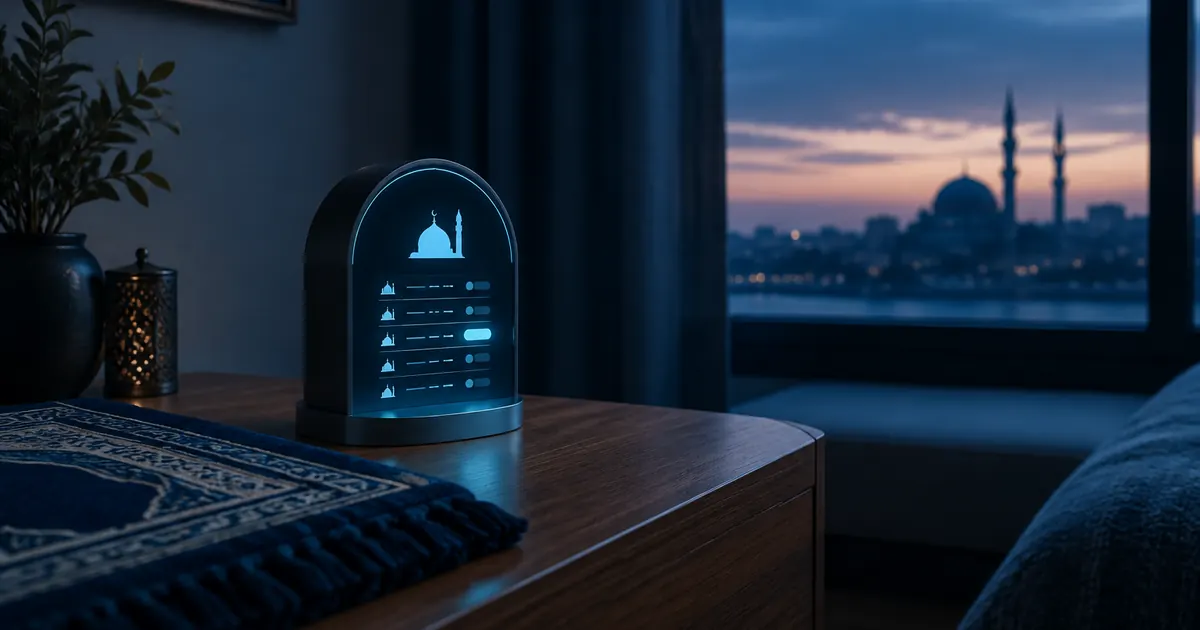
A tasbeeh counter has one job: never lose count. Everything else — the ring design, the display, the battery — exists in service of that single task. The good news is that digital counters now do this job better than ever. The confusing part is the range of formats: rings, fobs, pocket counters, and counters built into other devices. This guide walks through what matters, what does not, and how to build a dhikr habit around whichever one you choose.
The Formats: Ring, Fob, and Pocket
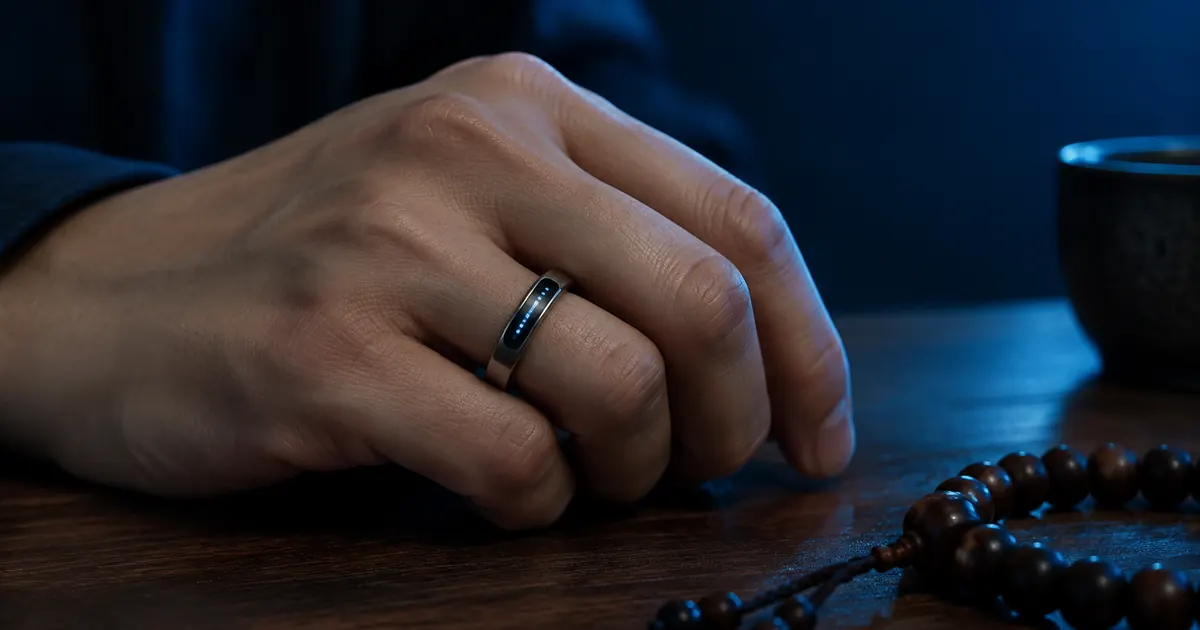
The Metal Digital Tasbeeh Ring is the format our customers repurchase most often. It lives on your finger or keyring, counts with a thumb press, and the LED display shows your count without a phone screen in sight. Fob-style counters clip to a bag or misbaha and suit people who want the counter attached to their beads. Pocket counters are larger, easier to read, and better for long seated sessions after prayer. There is no best format — there is the format that matches where your hands already are.
Why the ring wins for daily dhikr
Habit research and our own customers agree on one thing: the counter that gets used is the one with zero friction. A ring is already on your hand during the commute, the waiting room, the walk between meetings. If your dhikr happens in motion, the ring's always-with-you design beats every drawer-bound alternative.
Battery Life: What the Numbers Actually Mean
Manufacturers quote battery life in weeks or months, and the honest translation is: it depends on the display. A small LED that flashes your count on each press runs for weeks per charge on a USB-C rechargeable. Always-on displays drain faster. Our advice after watching real usage: pick the counter whose charging you can attach to an existing habit — top it up with your phone on Sunday nights, for example — and battery anxiety disappears entirely.
Features That Matter vs. Features That Distract
Useful: a count range well past 10,000, a silent or vibration mode for masjid use, a reset lock so a pocket press does not wipe your session, and a saved-rounds memory that tracks sets of 33 or 100. Gimmicks: Bluetooth apps that want your dhikr in a cloud database, color screens, and step counters. The best counters, like the Slim Metal Digital Counter, treat the count itself as sacred and skip everything else.
The reset lock, specifically
Every tasbeeh counter owner has lost a session to an accidental reset. If you buy one feature, buy the lock. It is the difference between a tool that protects your practice and one that interrupts it.
Building the Habit Around the Counter
The counter does not create the habit; it removes the friction from the habit you already want. Three approaches that work for our customers. Anchor to salah: dhikr immediately after each prayer, using the counter for the maqrooz portions. Anchor to transit: dhikr on the train or bus, where the ring shines. Anchor to waiting: every queue and elevator becomes a session. Start with one anchor and one dhikr, and let the count grow naturally.
Gifting Digital Tasbeeh
Digital counters are among our most-gifted items for Eid, new Muslims, and hajj or umrah travelers. The ring suits everyone — one size, no app, no setup beyond turning it on. Pair it with the Silicone Travel Wudu Kit and you have a complete "practical deen" gift that gets used daily rather than shelved.
Care and Longevity
A metal-body counter survives pockets and keyrings for years; the LED display is the only fragile part, so avoid sitting on it directly. Wipe the button occasionally — pocket lint is the enemy of every clicker. Follow that and your counter will outlast the habits you build with it, which is exactly what a tool for dhikr should do.
Respectful Use in Shared Spaces
A question that comes up often: is a digital counter appropriate in the masjid? The consensus among our customers and the scholars they ask is that the counter is simply a tool — the same as a misbaha — and the same etiquette applies. Use a silent or vibration mode, keep the device discreet, and let the count serve the dhikr rather than the display. The ring's one-press count exists precisely so your attention stays on the words, not the tool.
What Happens at 10,000 Counts
Counter capacity matters more than most buyers realize, because serious dhikr sessions add up: a daily routine of a few hundred after each salah crosses 10,000 within a month. Every counter we stock rolls past five digits without resetting, and the saved-rounds memory keeps your sets of 33 and 100 organized across sessions. Buy the capacity once, and the tool disappears into the practice — which is the whole point.
Our Tasbeeh & Wudu collection holds the counters, rings, and wudu kits we have tested with daily use, with free US shipping and 30-day returns behind every order.